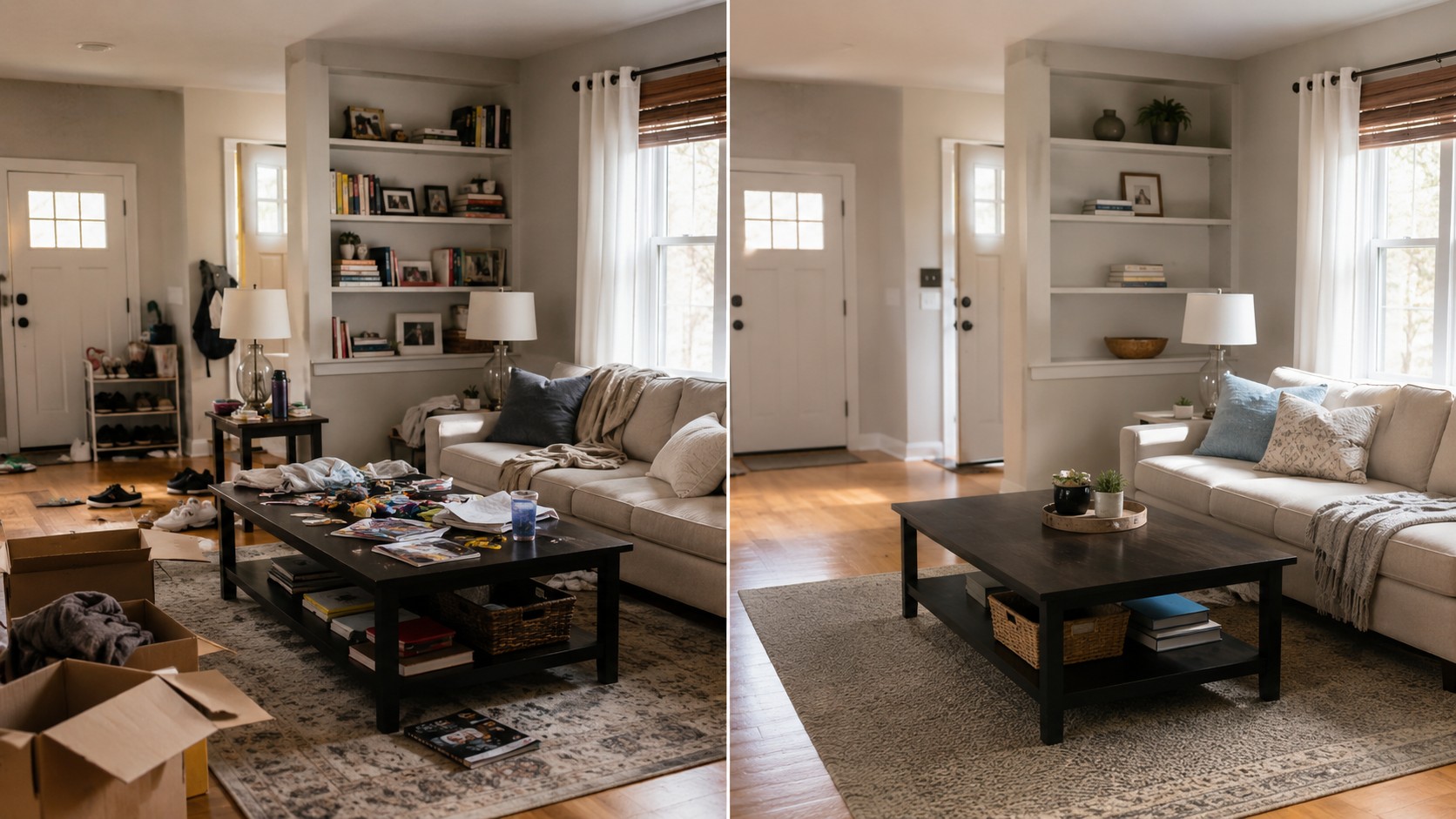
Ever wonder how much time the average U.S. adult wastes each year looking for lost objects? Or how many Americans (54%) feel overwhelmed by clutter but have no idea where to start? If you feel that you don’t have the time to organize your home, you’re not the only one.
A cluttered space is not only an eyesore, but it can also be disorganized. A study published in the Journal of Environmental Psychology finds that increased clutter in the home is directly associated with decreased well-being, increased stress, and decreased life satisfaction. The good news? It’s not a professional organizer or a full renovation that can save the day.
In this guide, you’ll learn:
- The room-by-room solution that has been proven to organize a cluttered home.
- Almost no-effort home organizing hacks that you can do yourself.
- How to arrange a small office, pantry, kitchen, bedroom, and home library.
- Long-term solutions to maintain your space tidy and orderly, even for the beginning gardener!
You can use this guide if you’re moving into a new house, moving down to a smaller home, or if you’ve been procrastinating on a messy home you’ve been putting off for months.
Step 1: Start With a System, Not a Shopping Trip
The one thing that people do wrong when they start organizing their homes is purchasing containers without knowing what will go in them. Try not to go shopping first. It is the process that is more important than the products.
The Four-Box Method (Better than the Traditional Three)
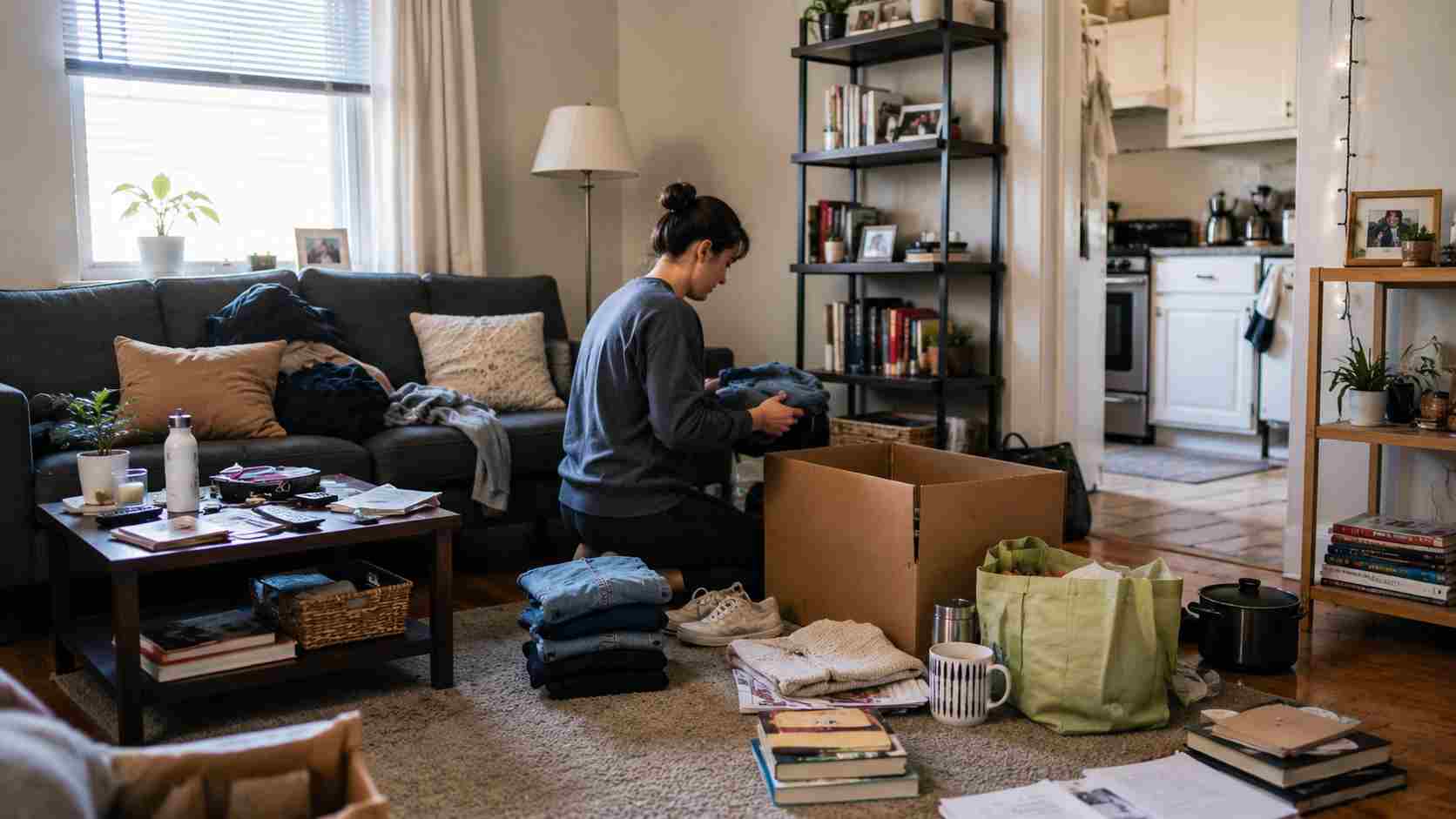
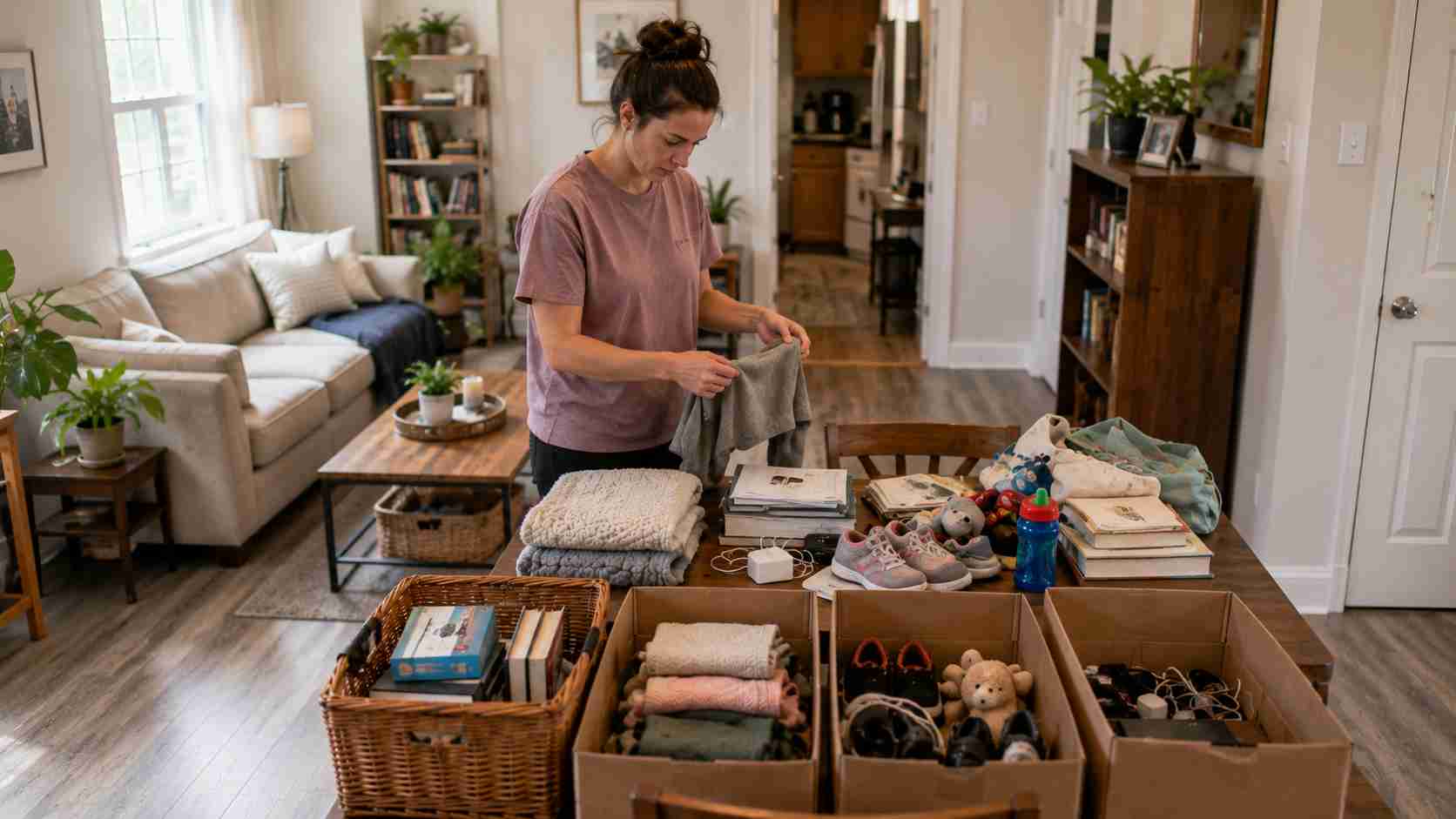
Most declutter guides say that you should make 3 piles: Keep, Donate, and Trash. Organizing a dirty home is even simpler with a fourth box: Relocate — for items that belong in another room altogether. This approach prevents you from constantly moving objects around during the session and helps maintain momentum. For items you no longer need but that are still useful, explore donation and reuse options for unwanted items instead of sending them straight to the trash.
Your four boxes:
Keep — it belongs here, and you use it
Donate/Sell — still useful but not to you
Trash– broken, expired, or unsalvageable.
Move — it is in another part of the house.
Work on one section at a time, such as one drawer, shelf, or cabinet, before moving on to the next. This is the basic method to organize your house the way a professional does.
The “One In, One Out” Rule
The most effective home organizing hack for keeping up with your clean-up efforts is easy to remember: when something comes in, something goes out. This is particularly important in compact residences where space is a significant factor. It helps to avoid the slow buildup of clutter that can undo weeks of work.
Focus On – By Pain Point First
Begin with the space that is the most frustrating for you every day. It’s when you trip over your shoes in the morning or spend 10 minutes looking for your keys. It works best to organize a new home, or a newly decluttered home, for a real problem that you’re solving, rather than a general goal of “being more organized.
Step 2: How to Organize a Cluttered Bedroom
You should be able to get away from the hustle and bustle of your home into the bedroom, but for many, that’s the room with the most clutter. These are the steps one can take to clean and organize the bedroom systematically, not just tidying it up for a while.
The 20-minute reset: How to tidy a room quickly
If you want the quick fix, do this:
- Get rid of the bed and bedding and make the room 70% cleaner the moment you strip it.
- Put all surfaces (including nightstands and dresser tops) in a laundry basket for now.
- Collect and separate all items on the floor by category (4 boxes);
- Only return what belongs; use drawer organizers and bins to separate
- Rehang or fold clothes using the vertical file-fold method (clothes are hung or folded vertically in drawers so that each piece can be seen at once)
This sequence is effective due to the fact that it tackles the areas with the most visibility first and gives instant gratification.
How to Organize a Messy Room: The Closet Deep Dive
The closet is the most leveraged area in a bedroom. An organized closet isn’t just for clothes; it’s for the feeling of calmness or chaos in the morning. According to research, 3 out of 10 women report that an organized closet helps their mornings be less stressful. Follow these steps:
- Clean out the area and don’t forget to start again from scratch.
- Nearly double hanging capacity for shorter items (shirts, jackets) by using a double-hang rod system.
- Place shoes in clear stackable bins or an over-the-door shoe rack (removing shoes from the floor alone changes the vibe of the closet).
- Only store clothes that have been worn in the past 90 days at eye level; store seasonals on higher shelves.
- Use shelf dividers to stop sweater stacks from falling over
Under-Bed Storage: The Forgotten Space
Most beds are 7-13 inches off the ground, which equals usable square footage that is lost. Flat rolling bins with lids are great for seasonal clothing, extra linens, or shoes. To get as much as possible in a vacuum-sealed bag, use bags for comforters and other large items. Label everything. Under-bed storage is an alternative to having an entire dresser when organizing a small home.
Step 3: DIY Kitchen Organization and Pantry Mastery
There are a lot of ideas that can be implemented in the kitchen, and they can be most beneficial on a daily basis. A well-organized kitchen will save time when cooking, cut down on waste, and eliminate frustration in having to search for tools that you know you have.
Best DIY Kitchen Organization Ideas that really Work
Most people’s ideas of what to store in the kitchen are about purchasing new products. The true unlock is zone cooking (a collection of items by task).
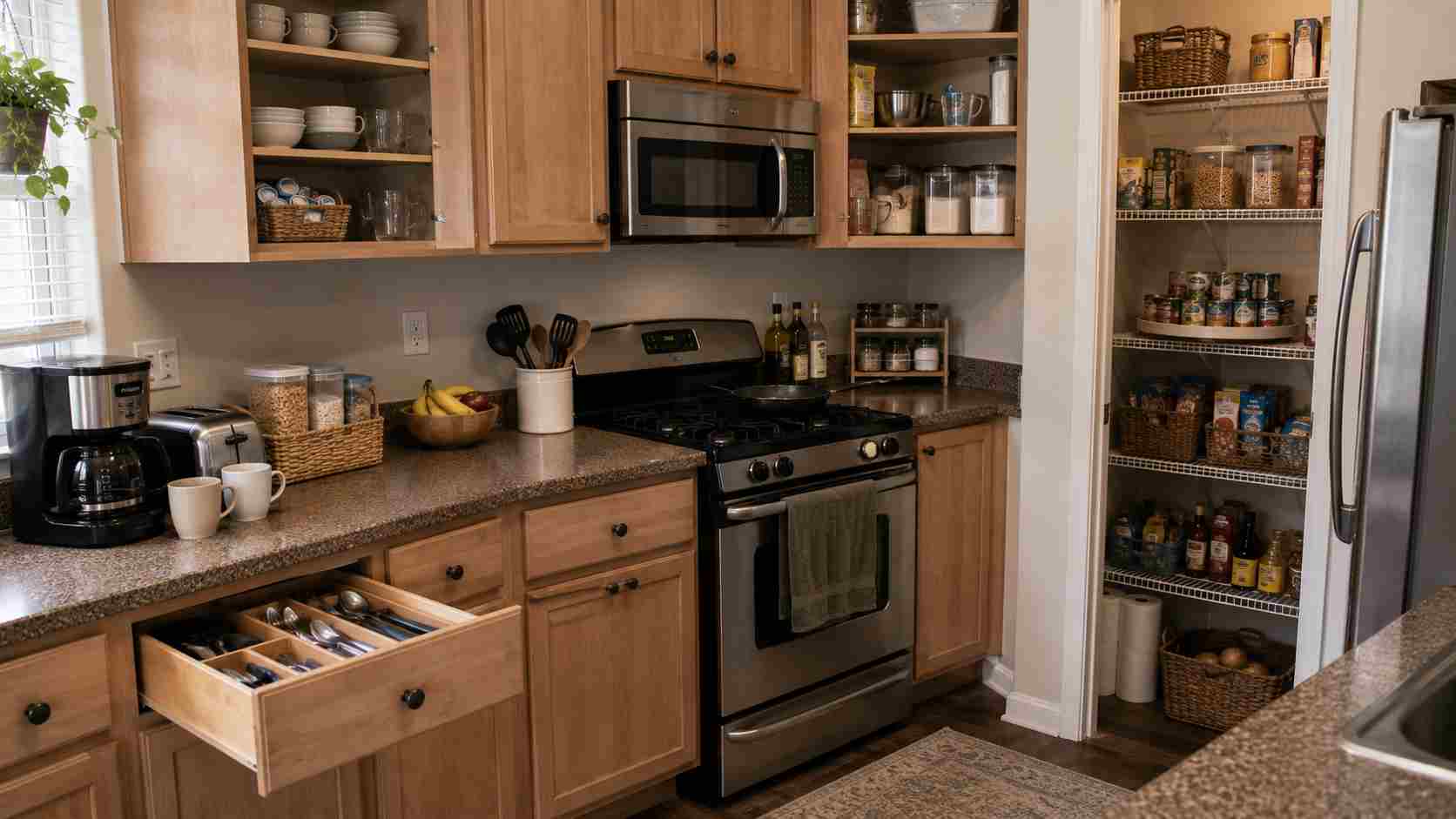
Create dedicated zones:
- Breakfast zone: Mugs and coffee maker, toasters, and cereals in one area
- Cooking zone: Oil, spices, and frequently used utensils within reach of the cooking area
- Baking zone: Cups, mixers, and baking staples combined in one cabinet.
- Snack zone: Convenient access for snacks or grab-and-go items
This DIY kitchen organizing strategy is a way to never cross the kitchen three times to make one meal. It’s one of the most underrated home organizing hacks that there is.
Drawer solutions
- Separate utensils by use with bamboo utensils or expandable drawer dividers
- Use tension rods or a pan rack to stack pots and pans vertically; this helps to avoid the avalanche effect when extracting a single pan.
- Clear plastic wine bottle holders will fit on a pantry shelf to organize and display water bottles upright, one of the hottest organizing home ideas these days.
Kitchen Pantry Organization Tips
There is one rule for organizing a kitchen pantry: First In, First Out (FIFO). Items added to the list are placed at the end,d and items removed from the list are placed at the front. That’s enough to significantly cut down on food waste. These habits will help:
- Transfer dry foods (flour, pasta, rice, oats) into clear, airtight containers where you can see the amounts at a glance; otherwise, you’ll find yourself surrounded by half-empty bags in the worst possible pantry.
- Organize by food type: Breakfast, Canned Goods, Snacks, Baking, Condiments.
- Use tiered risers for cans of food in the back row to be able to see them.
- Use a lazy Susan on corner shelves to avoid a “no man’s land” where things go missing and get lost.
- Label every shelf and container; this is the step most DIY home organizing efforts skip, and it’s the reason systems fall apart within weeks.
Step 4: Organizing a Small Home Office Space
Today, with millions of people working remotely and hybrid jobs on the rise, having a small home office is no longer a luxury but a necessity for productivity. As part of effective small home organization, creating a clutter-free workspace can improve focus and make daily tasks easier. Research has shown that office clutter can affect emotional exhaustion and job satisfaction, making an organized desk an important part of a functional home.
Organizing a Home Office Space on a Budget
It’s not necessary to have a room dedicated to creating an effective workspace. Setting up a small home office is all about finding a way to make separation both visually and practically, even if it’s in the same room.
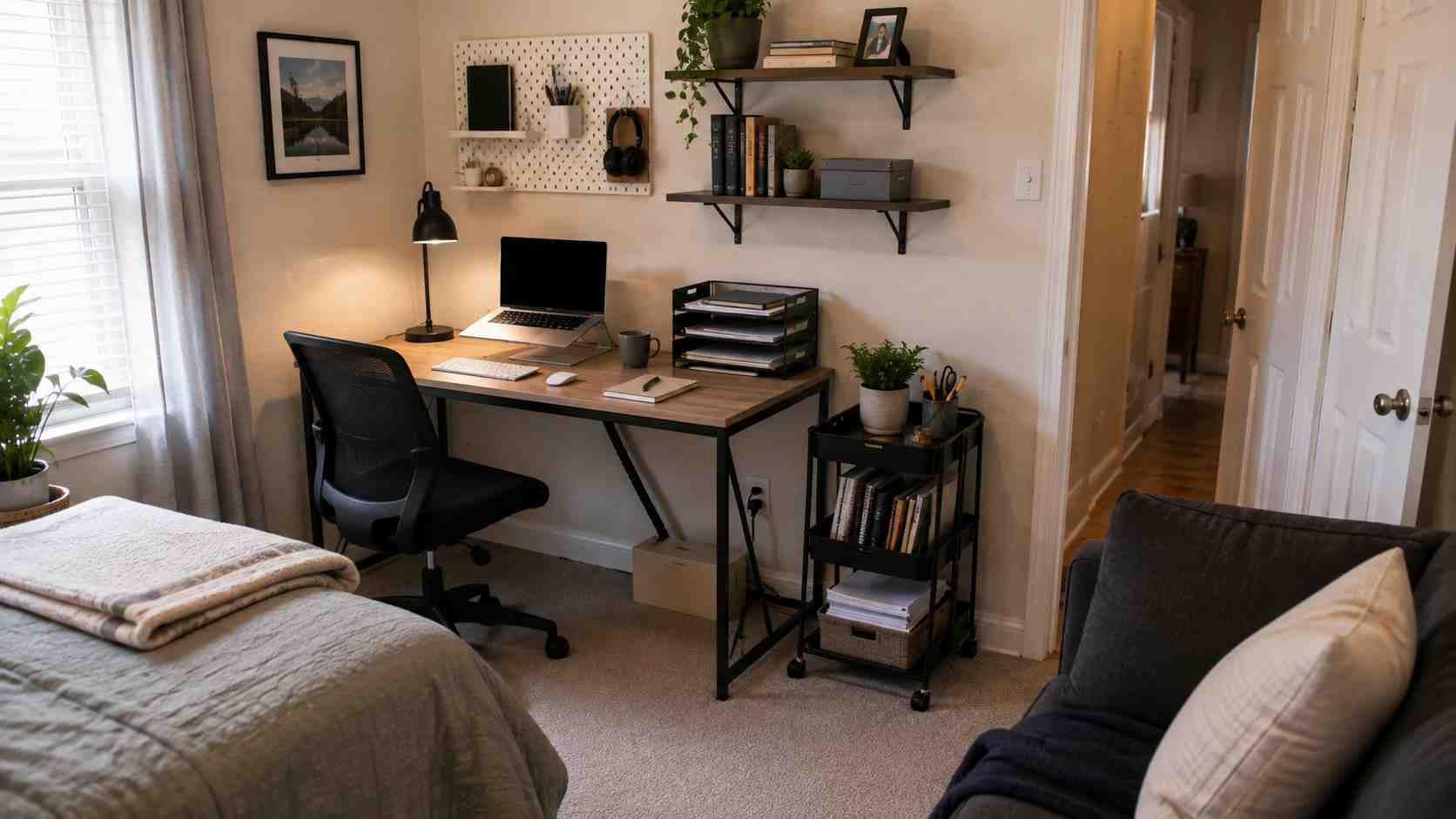
The command center method:
- Use vertical storage like a pegboard or floating shelves for a small space to anchor your workstation.
- Make a portable workstation with a small rolling cart (a Raskog-style cart is ideal).
- Insert a paper tray system with three compartments: In, Action Needed, File. This one little addition will clear the paper clutter that accumulates on every home desk in days.
- Use Velcro ties to keep cables organized and put them in a cable management box to remove clutter from your desk at once!
Digital Organization Matters Too
Creating a home office area cannot be completed without dealing with digital clutter. An average person has more than 1,000 files on their computer and receives 121 emails a day. Develop a basic folder naming system (Year/ Project/ Version), clean your desktop every week, and unsubscribe from email lists forcefully. Physical and digital organizations do go hand in hand;d if one side is in chaos, the other side is likely to be too.
Step 5: Organizing a Home Library and Living Areas
High-traffic areas like living rooms and home libraries are places where items from all rooms tend to congregate. They are also the first spaces guests will notice, and they’re spaces where organization can make a difference.
What is needed to organize a Home Library
Most people choose to arrange a home library alphabetically, but this is not effective unless everyone in the family is familiar with the author’s last name. Other, more useful, organizational systems include:
- By genre/topic: Fiction, non-fiction, cookbooks, reference.
- By color: Beautiful, and surprisingly useful for visual thinkers who can remember a book’s cover better than its author
- By frequency of use: Books that are returned to often at eye level; books that are not often used on higher or lower shelves
- Hybrid system: Genre is the major sorting method, followed by alphabetical within each genre
Bookends will help prevent books from falling over, and at the end of each shelf, you can put a small basket for oversized art books, magazines, notebooks, etc. Floating wall-mounted shelves are much more effective than free-standing bookcases when creating a home library in a small space. They save vertical wall space and do not consume floor space.
Living Room Reset: The 10-Minute Habit
Living room organization is best implemented with a maintenance schedule, not just a one-time clean-up. The 10-Minute Reset Protocol involves performing a quick tidy at the same time each day (after dinner is a great time for most families). This helps to stop clutter from building up over time and making the home feel more chaotic.
Give all the objects in the living room a “home. There is a dedicated remote control tray for the remote controls. Fold blankets and put them in a basket. Books are put away. These are items that do not have a home and tend to accumulate, causing visual chaos, so assigning homes is more important than purchasing organizational items
Comparison: Organizing Methods at a Glance
| Method | Best For | Time Investment | Cost | Sustainability |
| Four-Box Declutter | Full home reset | High | Free | High |
| Zone System | Kitchens/rooms | Medium | Low | High |
| One In, One Out | Maintenance | Low | Free | Very High |
| Vertical Storage | Small homes | Medium | Medium | High |
| Daily Reset | Long-term order | Very Low | Free | Very High |
| Professional Help | Heavy clutter | Low | High | Medium |
FAQ: People Also Ask.
When I feel overwhelmed with organizing ideas, how do I get started?
Begin with the garbage. Go through each room and take away any “evident” trash first. This one step frees up the physical space, helps to reduce mental clutter, and helps to build momentum without any hard choices. After that, work on one small area (one drawer).
What is the fastest way to organize a messy home?
The fastest approach is the four-box method, starting with the most cluttered space. Focus on surfaces and floors first. Removing visual clutter from the eyeline creates an immediate sense of order.
How do I organize a small home with limited storage?
Maximize vertical space with wall shelves, over-door organizers, and stacked bins. Use furniture with hidden storage. Apply the one-in, one-out rule aggressively. In a small home, every item needs a designated home; if it doesn’t fit, it shouldn’t be there.
What are the best DIY kitchen organization ideas on a budget?
Reuse what you already have. Decanting dry goods into mason jars (which most households already own) is the single highest-impact free upgrade for any pantry.
How do you organize a pantry cabinet from scratch?
Empty it, clean the shelves, and group everything by category before putting anything back. Use the FIFO method (older items in front). If items don’t have a clear category, they probably don’t belong in the pantry.
How do I organize a home office in a shared or small space?
Use vertical solutions to keep the desk surface clear. A rolling cart creates portable storage that disappears when work is done. Create a “transition ritual” (closing the laptop, tidying the desk) that signals the end of the workday and prevents work clutter from bleeding into home life.
What is the best way to keep an organized home long-term?
The three most effective long-term habits are: the one-in, one-out rule for new purchases, a 10-minute daily reset at the same time each day, and an annual declutter of every room (not just the spaces that look messy). Consistency with small habits prevents the need for another big overhaul.
How do I organize a home library in a small apartment?
Use floating shelves on walls. Keep only books you actually re-read or reference. Organize by genre first, then by size within each genre for a clean visual line. A small ladder shelf in a corner is one of the most space-efficient home library solutions for apartments.
Conclusion
It’s not a Pinterest-perfect space or an entire weekend that you need to dedicate to organizing your home. It’s about a repeatable, zone-by-zone approach and habits that come with little effort.
Three key points to keep in mind:
- Don’t go shopping; go to a system. Do the Four Box Method to declutter, then purchase items to store items that need to be purchased.
- Zone everything. It doesn’t matter where you’re organizing; it could be your kitchen, pantry, bedroom, home office, or anything else, but organizing by function, not type, is the way to do it like the pros.
- Little everyday clean-ups are better than large infrequent ones. A 10-minute reset per day and a one-in, one-out policy are more effective at helping to keep things organized in the long run than any one deep cleaning session.
Looking to spruce up your space? Select a single room, use the four-box method today, and experience the difference a single organized zone can make in your everyday life. When you sense that change, you will not want to stop.