Most homeowners have never waxed a floor, and they would be surprised to hear that it can last for years longer between refinishing than an unprotected floor. But what exactly is floor waxing, and can you do it yourself?
Waxing floors is the procedure of applying a thin, protective layer of natural or synthetic wax to a hard floor surface to seal the floor and protect it from moisture, scratches, daily wear, and to make it shine. It’s one of the most enduring floor maintenance practices today, and one of the most cost-effective methods for ensuring the protection of vinyl, linoleum, and unfinished hardwood floors.
In this guide, you’ll find out what floor wax is composed of, when floors need it, how to strip and wax by hand, how to maintain a waxed floor, and whether wax is safe for dogs and cats.
What Is Floor Waxing?
Floor waxing is a maintenance procedure that involves the application of a protective wax to a hard floor surface like vinyl composition tile (VCT), linoleum, and unfinished or oil-finished hardwood. This thin, semi-hard film of wax serves as a sacrificial barrier between the flooring material and dirt, spills, and foot traffic.
Wax is meant to wear out, while polyurethane is a permanent finish. The point is, the wax gets the beat; your floor doesn’t.
What Is the Floor Waxing Process?
There are three stages in the floor waxing process:
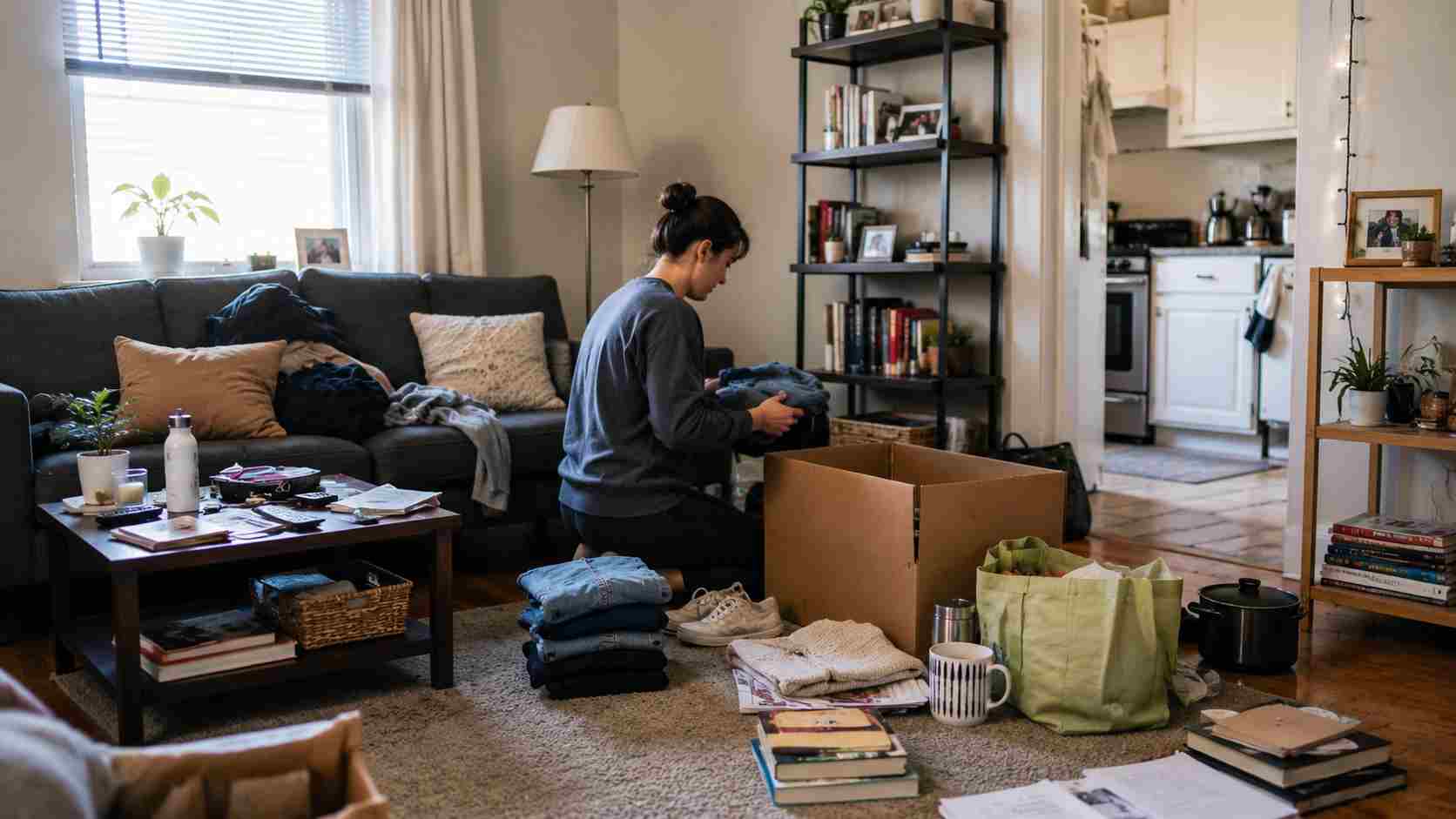
- Preparation — sweeping, vacuuming and damp-mopping to remove all the bits of grit that might otherwise be trapped under the new wax.
- Chemical stripping (optional) — using a chemical stripper to remove old, yellowed wax to bare floor.
- Application — applying 2-4 thin coats of wax, allowing each coat to dry completely before applying the next.
Most homeowners do not bother to strip the floor at all, and just apply a wax over an existing waxed floor. This is fine for a couple of cycles, but over time, it will turn yellow, crack, and start collecting dirt, which is why stripping is important.
Floor Waxing vs. Polishing vs. Sealing
These are two different products, but people often use them interchangeably. Wax is soft, and users can replace it every 1–3 months in high-traffic areas. Polish (typically acrylic) provides more durability, but users find it more difficult to strip. Users apply sealer only once, usually on porous surfaces such as unfinished wood or concrete, before the wax comes into contact with the floor.
If your floor already has a factory finish (most engineered and prefinished hardwood floors do), then you should not wax your floor, and it can cause problems, which we will discuss next.
What Floors Need Waxing?
Applying wax to the wrong surface is one of the most common (and costly) mistakes homeowners make.
| Floor Type | Needs Wax? | Why |
| Unfinished/oil-finished hardwood | Yes | No factory topcoat exists; wax is the primary sealant |
| Vinyl composition tile (VCT) | Yes | Porous, designed to be waxed |
| Linoleum (real, not vinyl sheet) | Yes | Natural material that dries out without a coat |
| Unsealed natural stone | Sometimes | Protects porous slate or unpolished travertine |
| Prefinished hardwood (polyurethane) | No | Already sealed; wax blocks future refinishing |
| Laminate flooring | No | Wax builds up in the texture, looks dull |
| Luxury vinyl plank (LVP) | No | Factory wear layer already protects the surface |
| Ceramic or porcelain tile | No | Non-porous; wax sits on top and turns slippery |
Don’t know what type of flooring you have? Do the water drop test: put a drop of water on top of the surface. If it beads up, the floor is already waxed; if it soaks in within a minute or two, then the floor is porous and is a good waxing candidate.
Not only does waxing a sealed floor look bad, but it also does not adhere to a hardwood that has been refinished with a polyurethane or vinyl wear layer, so it creates a dust-collecting haze, and it is also time-consuming and expensive if your hardwood floor is refinished again in the future, as the wax will need to be removed first.
How to Strip and Wax a Floor
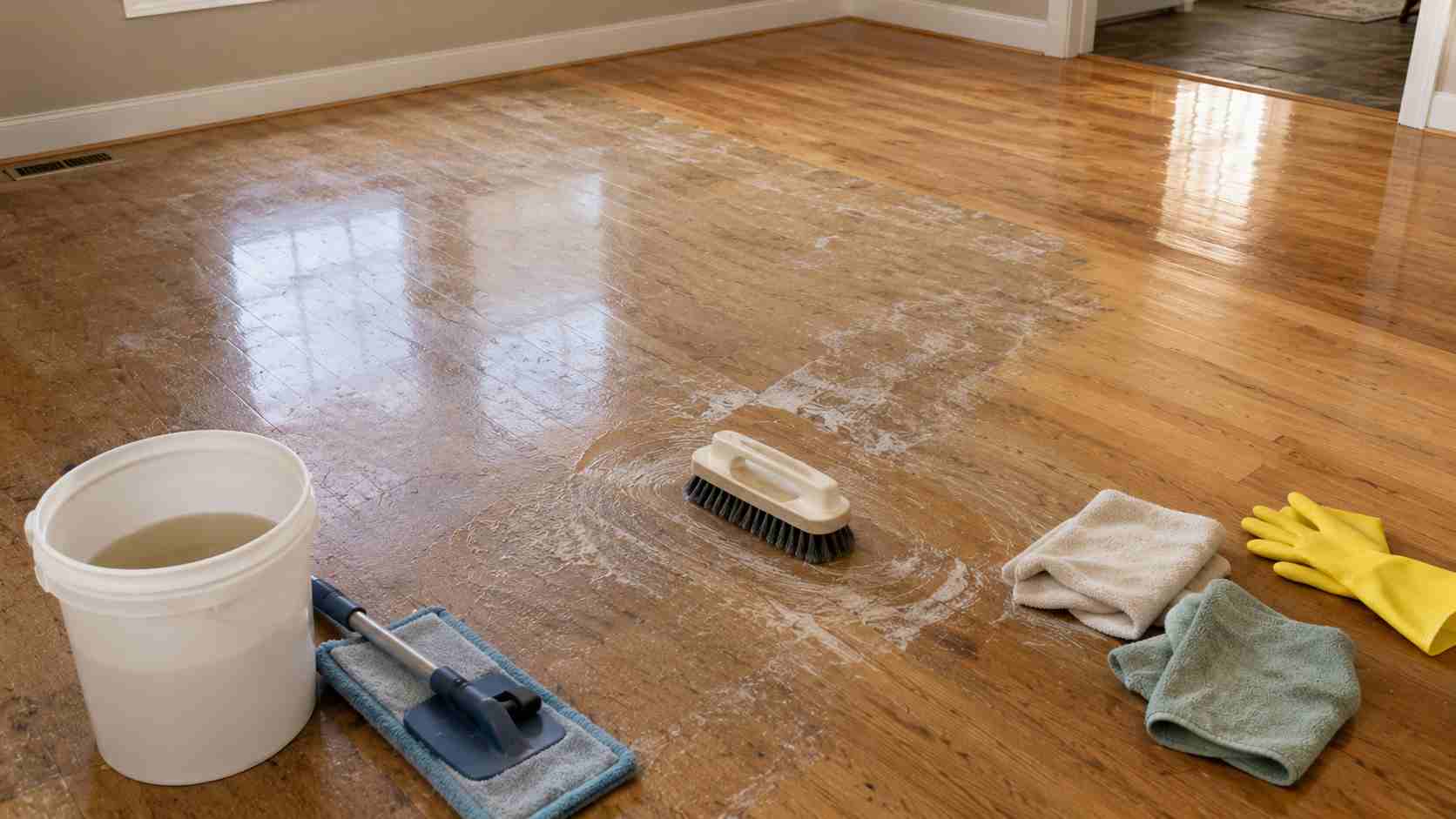
Removing old wax residue is an essential step in waxing a floor, because leftover buildup can cause cloudy patches, uneven shine, or yellow discoloration within just a few weeks.
How to Strip a Floor by Hand
- Clean the room with a vacuum or broom.
- Use a commercial stripper (or ¼ cup ammonia per gallon of warm water) and mop in small areas (4′ x 4′) to prevent it from drying out.
- Allow to soften for 5-10 minutes, then gently scrub using a stiff brush or nylon pad, going with the grain of the wood.
- Remove the dissolved slurry and flush twice with fresh water; excess slurry prevents even bonding of new wax.
- Allow the floor to dry thoroughly (preferably overnight) before waxing.
How to Strip Tile Floors and Vinyl
Tile, particularly VCT, will retain wax in the grout lines and texture and will require more agitation than wood. Use a floor buffer with a black stripping pad or a stiff brush on grout lines before mopping up excess wax, and try a small area first; some stripping products will dull tile glazes.
You can strip and wax vinyl floors using the same process as hand stripping. However, avoid heavy-duty strippers because they discolor vinyl sheets. Instead, use a vinyl-safe stripper and apply a thin layer of wax, as vinyl floors tend to show streaks more easily than any other type of flooring.
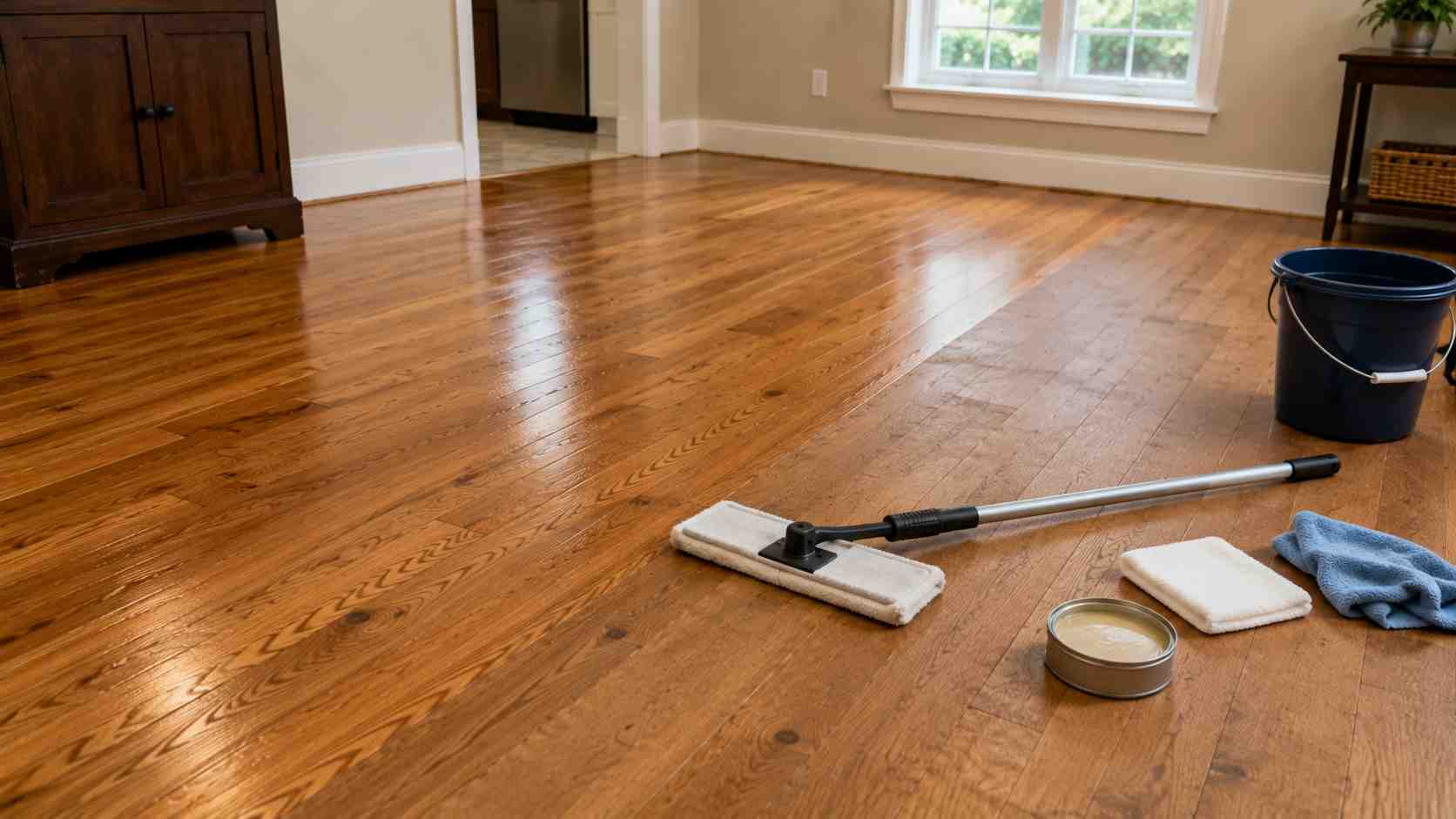
How to Wax a Floor With a Mop
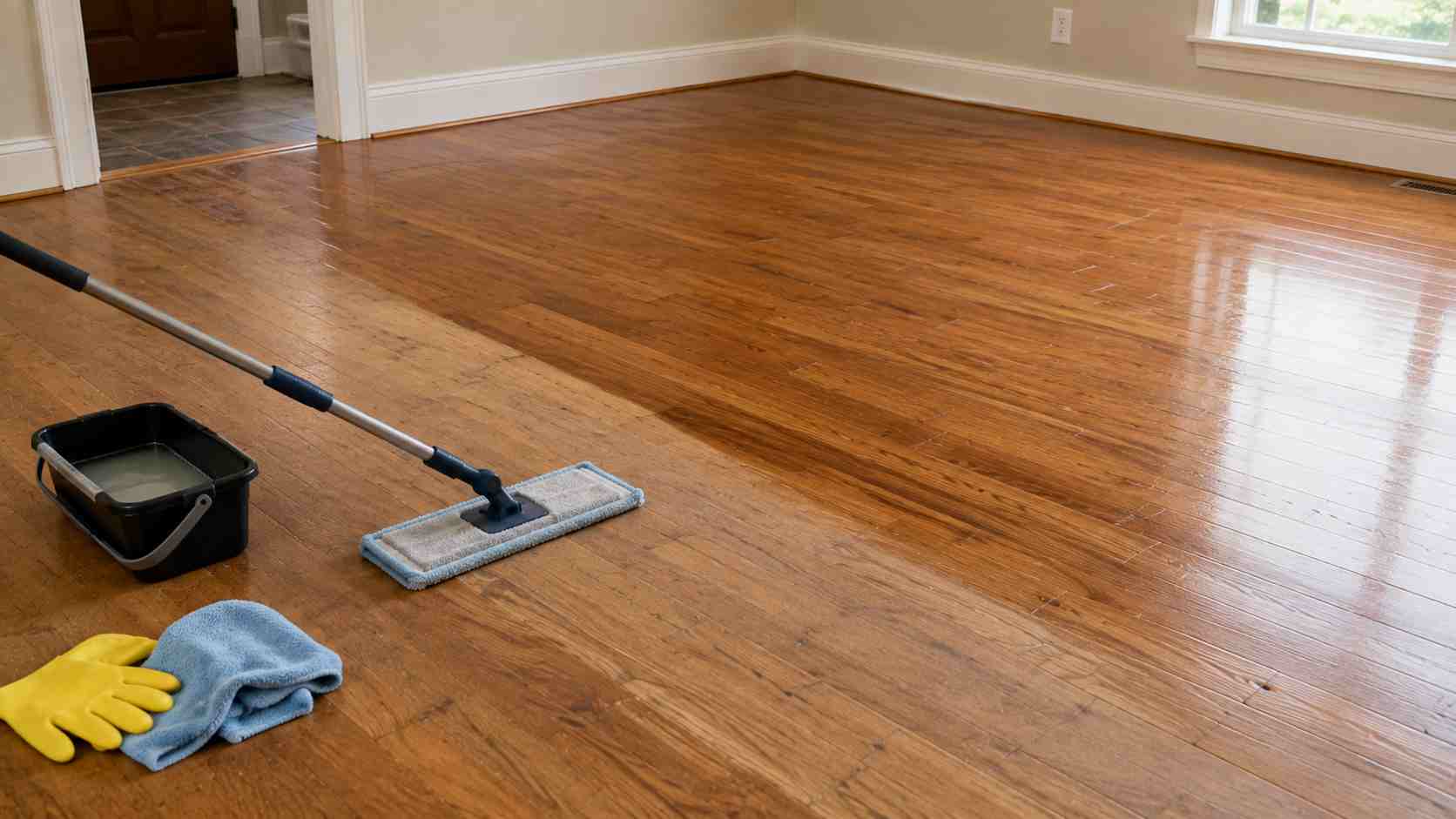
- Ensure the floor is clean and stripped (if required) and completely dry.
- Fill a tray or bucket with the liquid wax, and dip a clean microfiber mop, then wring it out so it is damp, but not wet.
- Begin in the farthest corner and apply wax in overlapping S-shaped strokes to the 3-ft sections up to the exit.
- Allow the first coat to dry for 30-60 minutes and then apply another (and possibly a third) thin coat.
- Do not park, walk on or place furniture on the floor for 8 hours and 24 hours, respectively, to allow the wax to cure.
The most frequent error is the single thick application rather than two or three thin applications – thick coats dry unevenly and streak.
How to Wax Hardwood Floors Naturally
For unfinished or oil-finished hardwood, the paste wax is an old-fashioned and natural option. Manufacturers combine beeswax with carnauba wax to create this mixture. They especially value carnauba wax for its hardness and luster, but it requires more buffing effort than liquid synthetic wax.
- Clean the wood with sand or deep-clean to bare, dry wood for the wax to be absorbed.
- Using a soft cotton cloth, apply paste wax with the grain, then haze it over for 10-15 minutes until it is dull and dry to the touch.
- Apply a second thin coat (if needed) and buff with a clean cloth or buffing pad until shiny.
- Refresh shine every few weeks with a dry cloth to re-buff.
Cleaning and Maintaining Waxed Wood Floors
When it comes to the routine they require, a sealed floor can withstand it better than a waxed floor, as most common cleaning solutions will strip the wax over time. Sweep or dry-dust mop every day in heavily trafficked homes; damp-mop weekly with a wax or cleaner specifically designed for wax; do not use all-purpose cleaners or steam mops. Shine between buffs with a dry microfiber cloth.
Does Vinegar Remove Floor Wax?
Yes, vinegar is slightly acidic, and even diluted vinegar and water can eventually deteriorate and mar a wax finish after repeated use. This makes it a good natural stripping agent, but not a good cleaning agent to use for a normal floor if you wish to keep the floor waxed. If a waxed floor has become dull since using a vinegar floor cleaner, it’s probably because of this.
Wax Buildup and How to Remove Heavy Buildup
When homeowners apply new coats of paint over old ones repeatedly without stripping them down to bare wood, the layers create wax buildup, making the paint thick, yellow, and covered with lap marks that attract dirt.
If buildup has accumulated over the years, use a stronger stripper, let it sit 10-15 minutes, scrub with a scrub brush or fine steel wool, and if on solid wood, then strip again, rinse well, and allow the floor to dry for 24 hours.
In addition to commercial strippers, mineral spirits or isopropyl alcohol can remove wax, with mineral spirits being the most effective for heavy paste wax and diluted ammonia being more effective on vinyl and linoleum.
A complete wax strip is the first step in refinishing a waxed hardwood floor, as any wax residue left behind will jam the sanding machine and prevent a new finish from adhering to the floor. For this reason, the majority of homeowners will hire out the wax stripping.
Is Floor Wax Safe for Dogs and Cats?
Most modern floor waxes are low toxicity when cured, but are still hazardous during the “wet” phase of application.
Is floor wax bad for dogs?
Residue can be ingested by licking the paws on a freshly waxed floor, and fumes from solvent-based paste wax may irritate the dog’s airways if they are present in the room when it is being waxed.
Is floor wax bad for cats?
The risk is comparable; cats are more prone to licking themselves to death, and they might be more sensitive to fragrance and solvent compounds than dogs.
Do not let pets in the room when applying and during the entire drying time (8-24 hours) listed on the label. If using a pet, select a fragrance-free, low-VOC, water-based wax as an alternative to a solvent-based paste wax and ventilate the area until the floor is dry.
FAQ: People Also Ask
What is floor waxing used for?
Floor waxing is used to treat unsealed hardwood floors, vinyl floors, and linoleum to keep them from getting damaged by moisture, scratches, and everyday use. It also refines and re-shines the floor and forms a sacrificial layer that takes the impact of the floor and does not damage the floor itself.
How often should you wax your floors?
In high-traffic rooms such as kitchens and entryways, floors should be rewaxed monthly or every three months, while in lower-traffic rooms, it can be every four to six months. Stripping and rewaxing is usually required on an annual basis.
Can you wax over old wax without stripping?
Yes, for one or two cycles, then it starts to yellow, build up, and trap dirt. When it is necessary to strip to bare floor at least once a year, be sure to keep the wax layer clean and even.
Is floor wax the same as floor polish?
No, wax is a soft natural finish that requires regular application, whereas polish is a harder acrylic finish used in commercial buildings. Wax can be stripped; polish is more durable.
Is there any floor wax that makes the floor slippery?
Thick or improperly applied wax may leave a slippery surface, particularly on tile. This risk is greatly minimised with thin, even coats, and wax that contains slip-resistant ingredients.
Can I use vinegar to clean a waxed floor?
No, repeated use of vinegar will dull the finish and break down wax. Regularly clean with a wax-safe cleaner or water and save vinegar for use when you want to remove the wax.
What’s the difference between waxing vinyl and waxing hardwood?
Thinner, water-based liquid wax is usually applied to vinyl with a mop and thicker paste wax is usually applied to unfinished hardwood and buffed by hand or machine. Hardwood must be totally dry and devoid of bark.
Do I need to wax laminate or luxury vinyl plank floors?
No, both have a factory wear layer to protect against scratches and moisture. The waxing of these floors forms a sticky layer that will collect dirt and eventually make the floor look dull.
Conclusion
When you apply floor wax to the appropriate hard floor surface in thin coats and periodically strip away old layers to prevent buildup, you can easily and affordably protect and restore porous hard floors. Follow these three tips: make sure your floor actually needs wax, remove old wax at least once a year, and use a wax-safe cleaning program after you apply new wax.
The strip-clean-wax cycle listed above will keep vinyl tile looking like new for years, keep hardwood floors looking like new without harsh chemicals, and make your home pet-friendly. Order a mop and stripping solution this weekend; you won’t regret it for your floors.