Your average mattress can contain 100,000 to several million dust mites, and a pillowcase that has been worn for one week may contain more bacteria than a toilet seat. If that caused you to straighten up, you’re not the only one. Most people live in this room for a third of their lives, and it is generally the last room to get a thorough cleaning.
A trustworthy bedroom cleaning checklist eliminates the guesswork. You do not have to get ready for visitors or wonder why you are still sneezing at night, but you have a system to clean and tidy from 10 minutes daily to the full extent of a season’s deep clean.
In this guide, you’ll learn what should be on your daily, weekly, and monthly checklist for cleaning your bedroom, how to adjust this checklist when you have children and teens, how to adjust this checklist for your master bedroom, and how to use the cleaning to organize your closet and storage. You will also receive a bonus bathroom cleaning schedule, as the two rooms are cleaned back-to-back almost all the time.
What Belongs on a Bedroom Cleaning Checklist
A full bedroom cleaning list is not one job, but three parts. Most cleaning guides only provide you with one list, and you think that is it, so the room never gets clean.
These three levels of maintenance are daily, weekly, and monthly or seasonal deep cleaning. Every layer addresses a different challenge, ranging from dirt and dust localized at the surface to allergens embedded in the fibers of fabrics and carpet.
Why a Layered Checklist for Cleaning a Bedroom Works Better
Everyday activities prevent mess from building up. The weekly tasks help to clear away the dust, sweat, and skin cells that your body gives off each night. Monthly tasks deal with what accumulates over time, such as dust behind furniture that isn’t moved or allergens in the mattress.
This has the advantage of making the entire system realistic and also allows for the routine to be split. A 5-minute daily habit is easy to keep; a 2-hour deep clean is manageable a few times a year, and that is when it is required!
Tools and Supplies to Keep on Hand
Having a few items in or near the bedroom makes a basic daily bedroom cleaning checklist go much smoother: a microfiber cloth, a handheld vacuum or full-size vacuum with an upholstery attachment, a glass cleaner, a laundry hamper, and a mild all-purpose spray. These are easily accessible, eliminating the largest obstacle to consistency: the additional trip to the cleaning product.
Daily Bedroom Cleaning Checklist
The time it takes to prepare the bedroom daily cleaning checklist is less than 10 minutes. The objective is not perfection but to make sure that what the next day brings is not what this weekend brings to your project.
The 10-Minute Morning Routine
Make the bed, open the curtains/blinds to let light and air in, and place dirty clothes into the hamper immediately rather than on a chair. If there’s a spill or dust accumulation on the nightstand, clean it up, and remove any food wrappers or dishes that can be sources of pests over the night.
Evening Reset Before Bed
Put away chargers, books, and shoes, then take 60 seconds to clear any clutter from the floor. This simple nightly reset helps keep your bedroom clean and can make the difference between a 20-minute weekly clean and a two-hour one.
Daily Habits for Kids’ Rooms
A children’s bedroom cleaning checklist is best used as a short, visual checklist: toys returned to bins, clothes in the hamper, and a bed made. Ideally, use a picture chart for the younger ones who can’t read yet. The daily list can be three or four items, so it’s attainable without having to have a parent overseeing every step.
Weekly Bedroom Cleaning Checklist
Now that the weekly bedroom cleaning checklist is here, it’s time for the elements of hygiene to enter the picture. This is the layer that most people avoid and is directly linked to allergy symptoms and sleep quality.
Bedding, Sheets, and Pillowcases
The Cleveland Clinic dermatologists state that sheets and pillowcases should be washed at least once a week in hot water to wash away sweat, oils, dead skin cells, and dust mites. The Mayo Clinic recommends water that is 130°F or higher to destroy dust mites and remove the dust mites’ allergenic proteins.
If you are ill, have been in bed with pets, have had a lot of sweating over the night, or become ill, wash more frequently, every 3-4 days.
Floors, Surfaces, and Air Quality
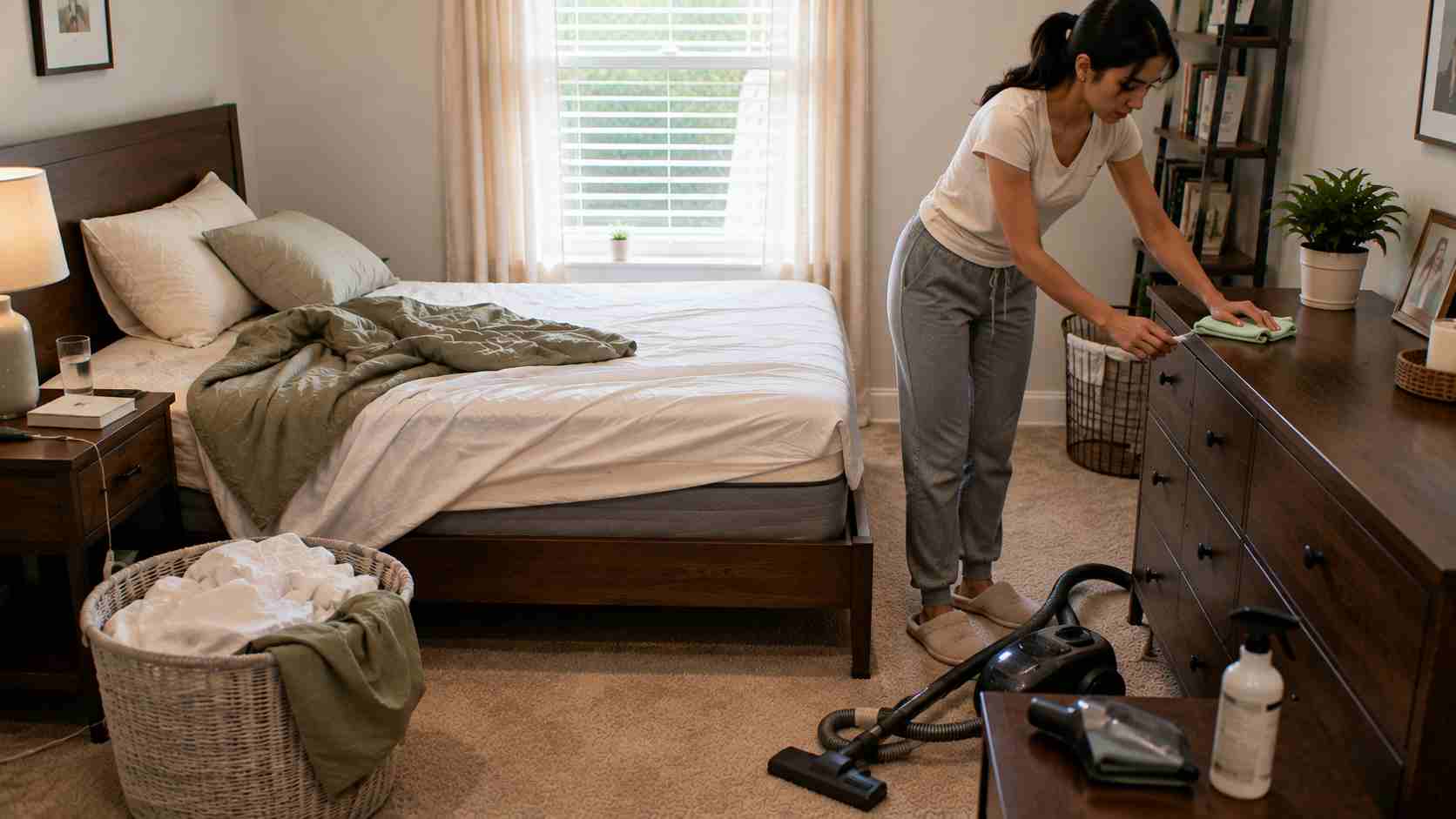
Vacuum carpets and rugs each week, including under the bed where dust and allergens can accumulate. Use a damp microfiber cloth to dust all hard surfaces, such as dressers, shelves, window sills, and light fixtures (dry dusting only spreads dust in the air).
Wipe down light switches, doorknobs, and remote controls, since these are among the most-touched, least-cleaned surfaces in any home.
Weekly Bedroom Cleaning Checklist Table
| Task | Frequency | Why It Matters |
| Wash sheets and pillowcases | Weekly (hot water, 130°F+) | Removes sweat, dead skin, and dust mites |
| Vacuum carpet and under bed | Weekly | Clears trapped allergens and dust |
| Dust surfaces with a damp cloth | Weekly | Prevents dust redistribution into the air |
| Wipe switches, knobs, remotes | Weekly | Reduces germ transfer between rooms |
| Empty trash and recycling | Weekly | Prevents odor and pest attraction |
| Rotate or fluff pillows | Weekly | Maintains shape and reduces dust settling |
Monthly and Seasonal Deep Cleaning Bedroom Checklist
A deep cleaning bedroom checklist is more comprehensive than a weekly cleaning list. This is when it comes to the surfaces of the room that you aren’t seeing every day, like behind furniture, inside closets, and deep inside the mattress itself.
Mattress, Pillows, and Duvets
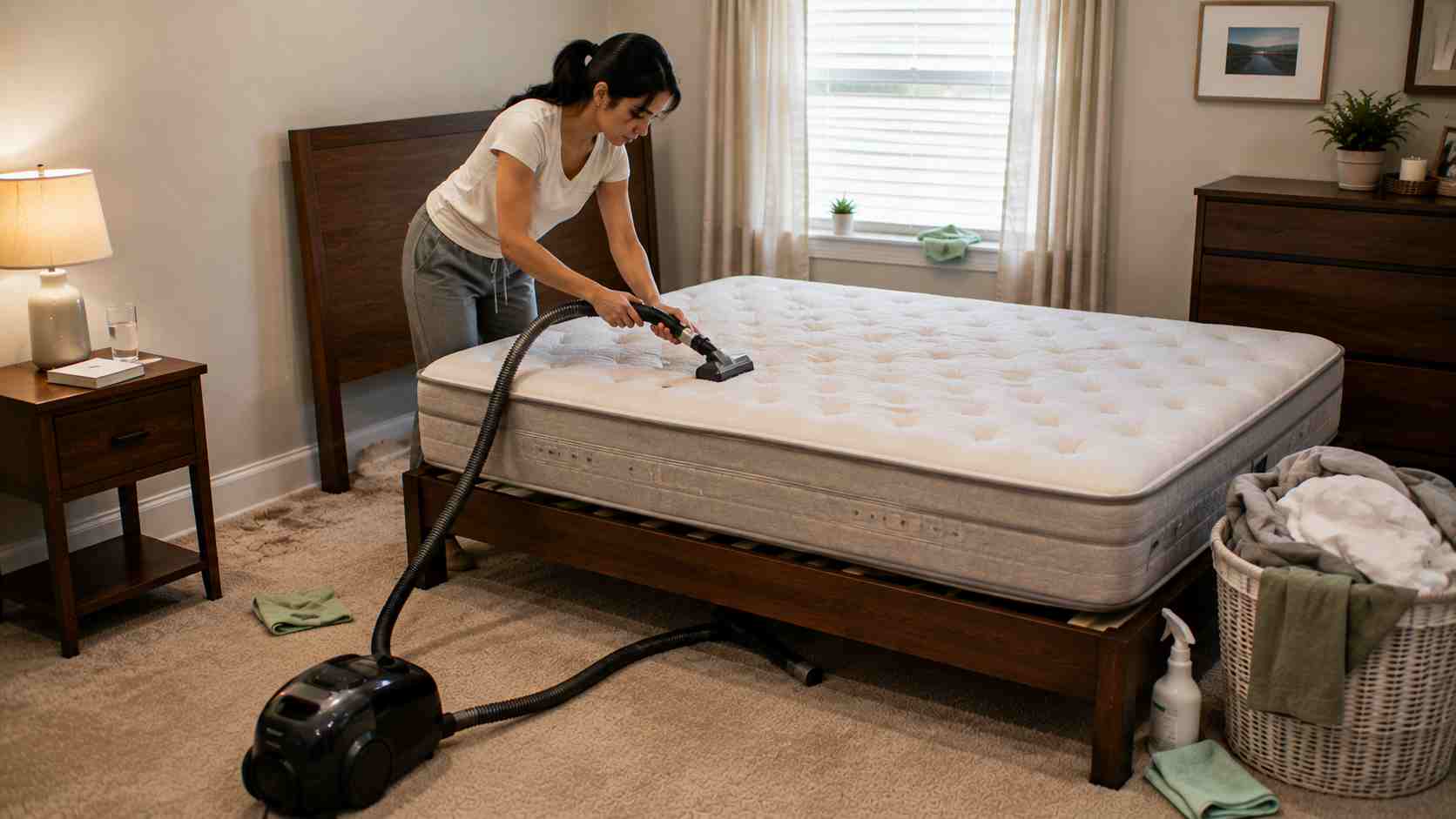
Spot-treat stains with mild enzyme cleaner and vacuum the mattress on both sides with an upholstery attachment. Allergy research compiled by the Mayo Clinic estimates that 20 million Americans suffer from dust mite allergy, and that maintenance of the mattress is a worthwhile health chore, rather than a tidying chore.
Clean pillows and duvets every 3-4 months (as per care label) and flip or rotate the mattress every 6 months to avoid uneven wear. Most sleep and hygiene experts also suggest that a mattress be replaced completely every 7-8 years.
Behind Furniture, Windows, and Vents
Vacuum and mop the floor under the bed, dressers, and nightstands because much more dust is trapped there than on the open floor, and it is rarely vacuumed. Clean windows inside and out, dust blinds slat by slat, and vacuum or change the filter in the air vent (if your room has one), as a dust-filled air vent will blow dust back and forth every time the HVAC is running.
Seasonal Closet and Wardrobe Rotation
Clean shelves and rods, remove all items from the closet, and place out-of-season items in storage bins twice per year. It’s also a great time to see if there’s any moisture or musty odours, or pests that can grow into a larger issue.
Bedroom Cleaning Checklists by Age and Room Type
Not all bedrooms have the same checklist. A kid’s bedroom cleaning checklist is quite a bit different from the one for a primary suite, and often it’s ignored because it’s treated as if it’s the same.
Bedroom Cleaning Checklist for Kids
Toys put away in labeled bins, books put back on the shelf, and clothes put into clean and dirty piles. These are habits that a child’s bedroom cleaning list should center on, not perfection. Limit the number of items on the checklist to 5 or fewer, and don’t write words for children under 7 years old.
Bedroom Cleaning Checklist for Teens
A bedroom cleaning checklist for teens can be a way to add a bit more independence and a bit more complexity, such as making the bed, clearing desks of food and dishes, vacuuming once a week, and doing their own laundry cycle. It’s better to assign tasks around outcomes that teens care about, such as a better sleep schedule, fewer allergy flare-ups, and a room that they are not ashamed of their friends seeing.
Bedroom Cleaning Checklist for Adults
The list for adults usually expands to include organizing tasks as well as cleaning: tidying up the surfaces of work materials that have worked their way into the bedroom, making a capsule wardrobe, and having a charging station by the bed.
Master Bedroom Cleaning Checklist
A master bedroom cleaning checklist typically calls for more area, a connected storage room, and frequently an ensuite bathroom. Include chores such as dusting ceiling fans, wiping down mirrors in the closets, or cleaning up areas that people like to sit and are prone to becoming cluttered, like a bench or a chair.
Comparing Checklists by Age Group
| Room Type | Task Count | Focus | Ideal Frequency |
| Kids’ bedroom | 3–5 tasks | Habit-building, visual cues | Daily |
| Teen bedroom | 5–7 tasks | Independence, hygiene | Daily + weekly |
| Adult bedroom | 8–10 tasks | Organization + hygiene | Daily + weekly + monthly |
| Master bedroom | 10–12 tasks | Full room + closet + ensuite | Daily + weekly + monthly |
How to Organize Your Bedroom After Cleaning
Cleaning and organizing are two distinct issues, and an organized room that is not clean gets filled with clutter again in days. When you have a checklist for cleaning a bedroom, organization is the key to keeping it that way.
Declutter Your Bedroom Before Organizing
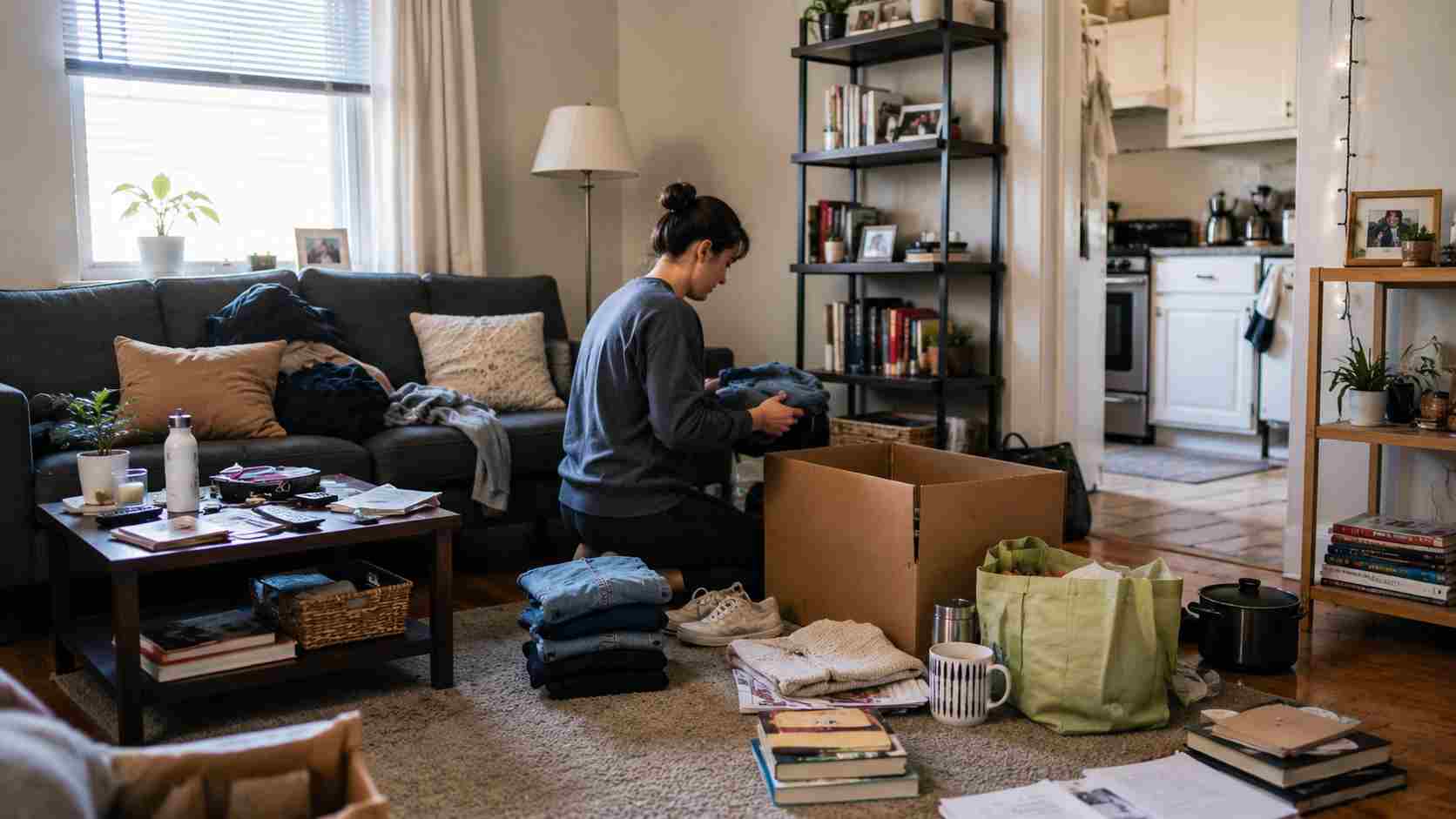
Before you start putting everything back in place, take a few minutes to declutter your bedroom. Sort through clothes, books, electronics, and other items that have started to pile up. Keep what you use, donate what you no longer need, and discard anything that is damaged or useless. Removing unnecessary items first makes it much easier to clean the room and keep it organized afterward.
Best Ways to Organize Your Room for the Long Term
Begin by sorting with three piles: Keep, Donate, and Discard. Items older than a year are good candidates for the donate pile. From there, organize the rest of the items according to category (clothing, electronics, books, etc.) instead of location.
Ideas to Arrange Your Room for Better Flow
Always keep walking areas clear of furniture; use a separate landing spot near the door for keys, bags, and other daily items to prevent them from being placed on the floor where they might be a tripping hazard; and if you’re allergic to allergens, place the bed away from vents or windows.
Organizing Your Bedroom Closet
An organized bedroom closet is based on the concept of zones: items you wear daily at eye level, items used seasonally on the higher or lower shelves, and shoes off the closet floor on a rack or slim organizer. The most neglected space in a typical closet is the vertical space.
Master Bedroom Closet Organization Ideas
If the closet is large, install drawer dividers for accessories, a valet rod for outfits that are planned the night before, and use slim velvet hangers; these take up about half the space of regular plastic hangers. An adjustable shelving system allows the closet to be flexible and change with time, if budget permits.
Organization Ideas for Bedroom DIY Projects
Inexpensive ideas include using tension rods to organize scarves and belts, tension curtain wire underneath a shelf for shoe storage, and stick-on hooks behind the closet door to organize bags and jewelry. None of these are tools or a big investment, making them viable for renters as well as homeowners.
Bonus: A Complementary Bathroom Cleaning Schedule
Most of the population cleans their bedroom and bathroom at the same time, particularly if attached. Having a bedroom cleaning checklist and a bathroom cleaning schedule helps both rooms stay in sync rather than have one area lagging.
Daily Bathroom Cleaning Checklist
The bathroom cleaning checklist should include wiping down the sink and counter after use, squeegeeing the shower glass to avoid water spots, and hanging towels to ensure that they dry properly without the mildew smell.
Weekly Bathroom Cleaning Checklist
Scrub inside and out of the toilet weekly, clean the shower or tub with a disinfecting cleaner, mop the floor, and wash the bath mats (bath mats absorb as much moisture and bacteria as bedroom carpet does dust).
Restroom Checklist for Shared or Guest Spaces
If you have a shared or guest restroom, you’ll also want to include restocking toilet paper and soap, wiping down light switches and door handles, and emptying trash before guests get there- those little things that can make a big impression in the space other people will judge you on.
FAQ: People Also Ask
How often should you deep clean your bedroom?
Clean your bedroom regularly, once a month to three months, including the mattress, behind furniture, windows, and vents. Allergens and buildup in hard-to-reach areas require this deeper pass to keep them in check, which is not performed as often as weekly cleaning.
What is the best daily bedroom cleaning checklist?
A 10-minute daily checklist is the best: Make the bed, put dirty clothes in the hamper, clear surfaces of clutter, and do a quick floor sweep. This is a little activity to keep mess from becoming a big weekend chore.
How do I get my child to follow a bedroom cleaning checklist?
Keep the list short- three to five tasks- and use pictures or icons for younger kids instead of text. Pairing tasks with a consistent time, like right after breakfast, builds the habit faster than an open-ended reminder to “clean your room.”
What’s the difference between cleaning and organizing a bedroom?
Cleaning removes dirt, dust, and allergens; organizing decides where items belong so the room stays tidy afterward. A room can be dusted and vacuumed yet still cluttered; both routines are needed for a lasting result.
How often should sheets be washed for allergy sufferers?
Allergy sufferers should wash sheets weekly in hot water of at least 130°F (54°C), based on Mayo Clinic guidance for dust mite allergen reduction. Washing every three to four days is recommended during active allergy flare-ups or heavy sweating.
Should the bedroom and bathroom be cleaned on the same day?
Cleaning both on the same day is efficient, especially for an ensuite, since supplies and momentum carry over between rooms. Weekly deep tasks- bedding and bathroom scrubbing pair naturally, while daily resets can stay separate and shorter.
How do I organize a small bedroom closet?
Use vertical space with stacked bins, slim hangers, and an over-the-door organizer, and keep only in-season clothing in the closet itself. Rotating seasonal items into under-bed storage frees up significant closet space without needing new furniture.
What supplies do I need for a bedroom cleaning checklist?
A microfiber cloth, a vacuum with an upholstery attachment, a glass cleaner, a laundry hamper, and mild all-purpose spray cover most daily and weekly tasks. A deep clean adds an enzyme stain remover and, ideally, a HEPA filter vacuum for allergen control.
Conclusion
A working bedroom cleaning checklist isn’t one long list; there are three interdependent routines: daily reset, weekly ‘housekeeping ’, and monthly or seasonal ‘deep clean’. This is how they’re layered to keep the system realistic and keep people using it.
Here are three tips to get you started: Wash sheets once a week in hot water to help control dust mites and allergens; match the difficulty of the checklist to who will be using the room; and organize the cleaning so that the results last.
Start small, stay consistent, and build from there. A clean bedroom isn’t about doing everything perfectly; it’s about keeping it simple enough that you keep doing it.