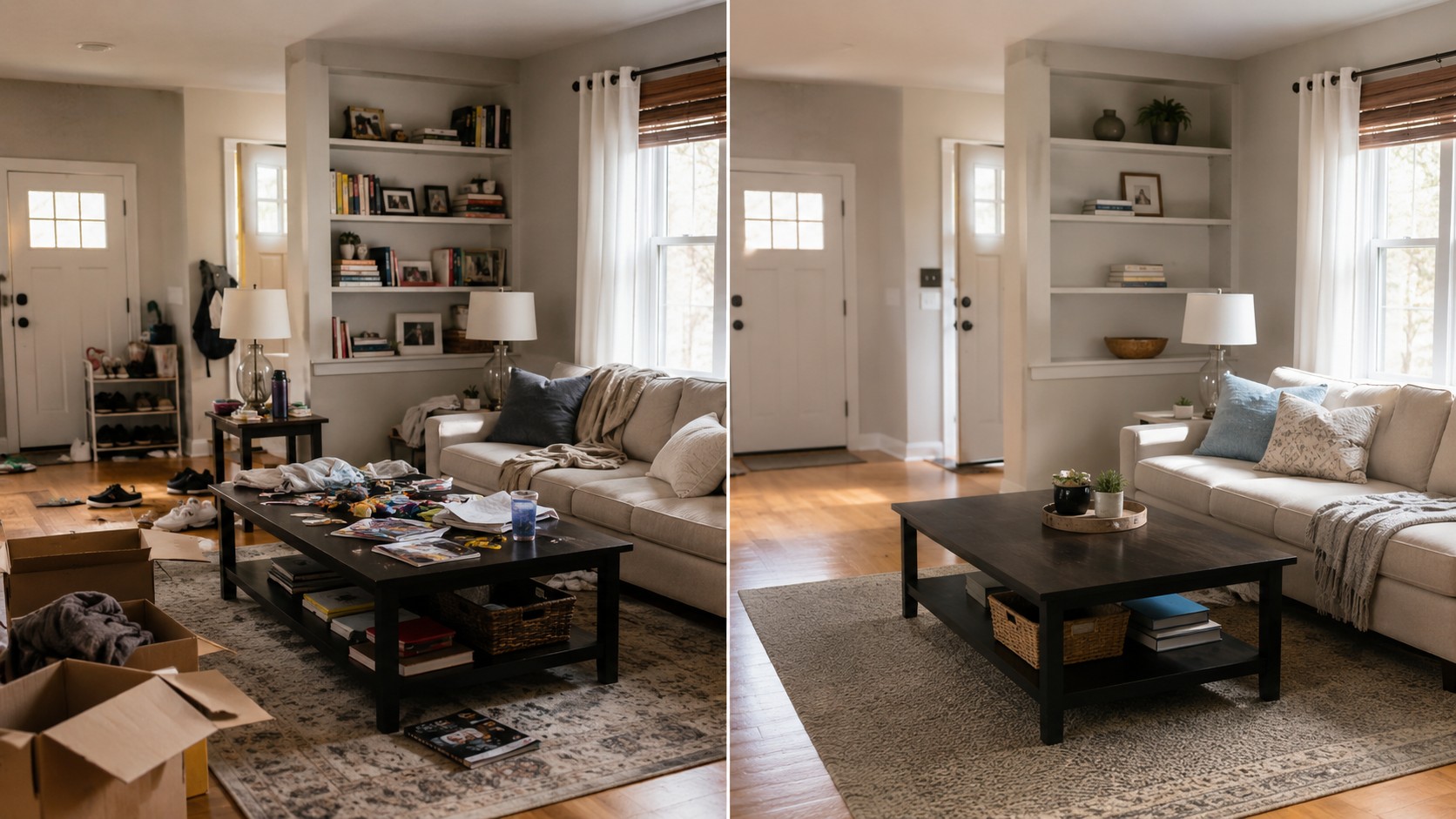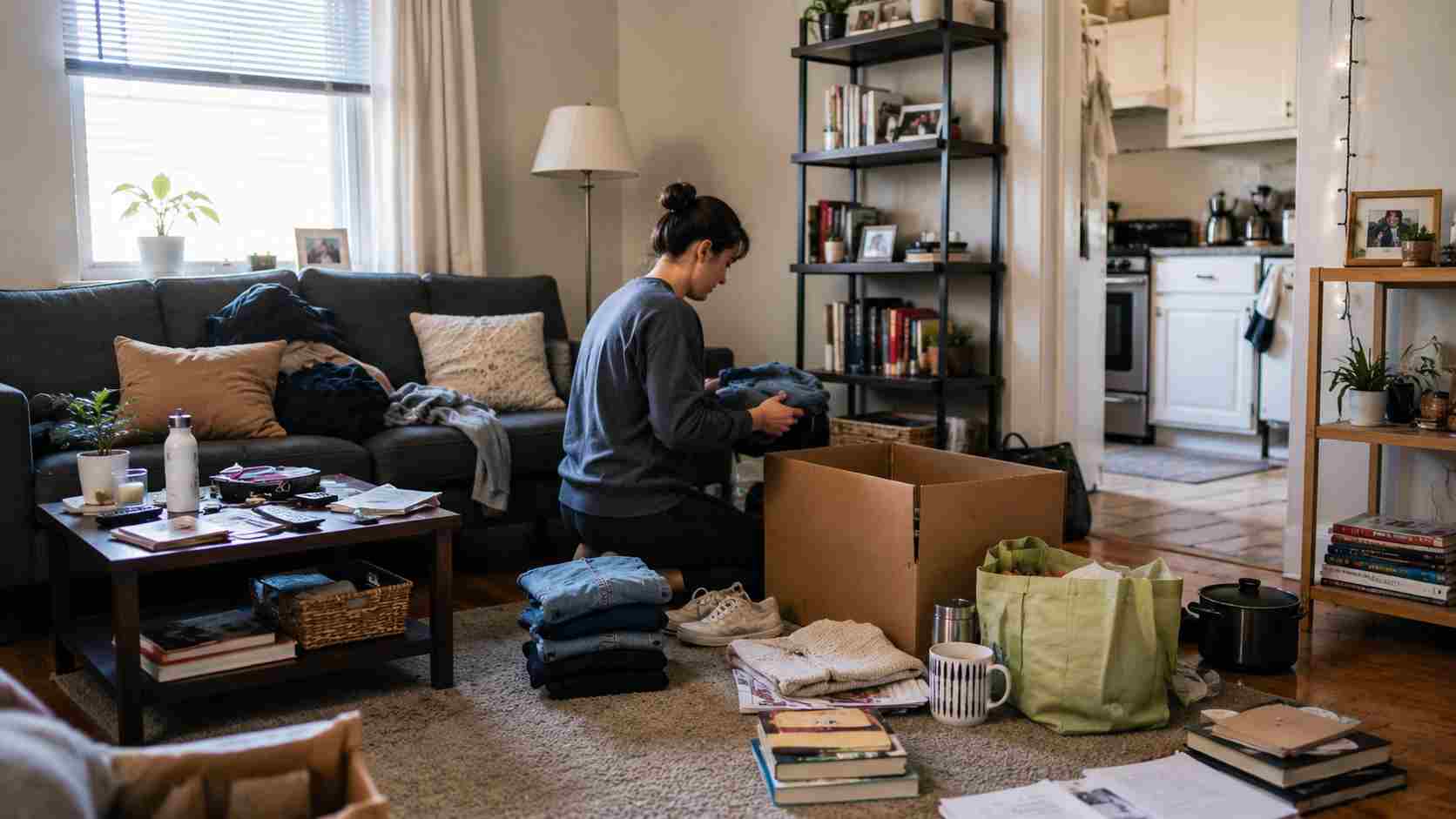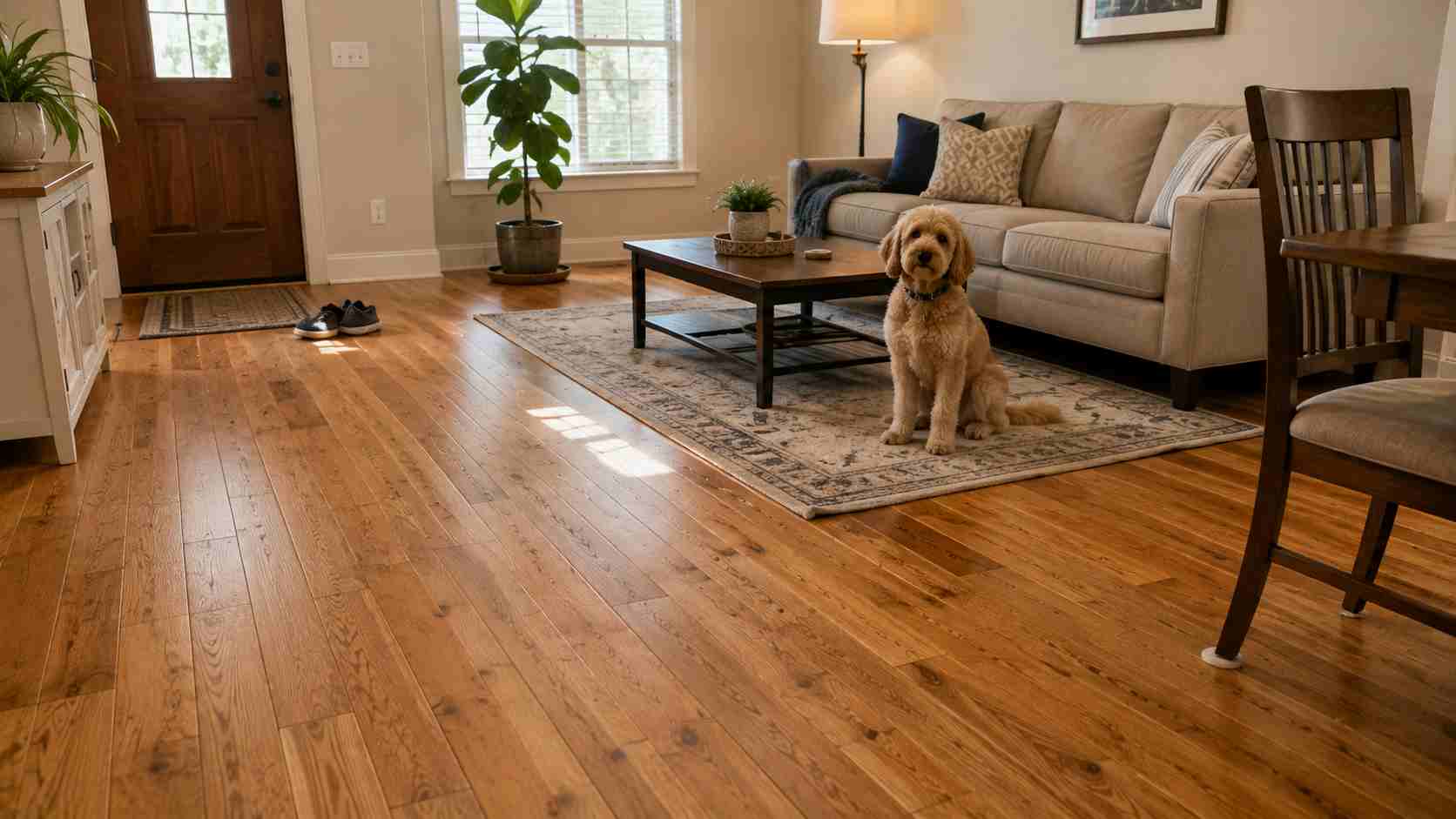
Most of the wear on hardwood floors is avoidable and can be as much as 60% of the floor’s finish thickness within five years of unprotected use. From how to protect a hardwood floor from a curious pup to a kitchen splash or an upcoming remodel, there are many things that a homeowner can do daily to extend the life of a hardwood floor by many years. Here you will discover how to protect floors from scratches, furniture, pets, rolling chairs, and construction dust, and how to clean, wax, and restore older hardwood floors.
Why Hardwood Floors Need Protection
Wood Is Hygroscopic
Wood fibers will gain and lose moisture throughout the year and will expand when wet and contract when dry. Most water- and climate-related complaints are due to extreme swings, resulting in cupping, gapping, and a cracked finish.
Solid vs. Engineered Wood
One piece of timber is used to make solid hardwood, and engineered wood is made with cross-layered plywood and a real wood veneer. Identifying which one you have is a different way to protect it.
| Factor | Solid Hardwood | Engineered Wood |
| Moisture resistance | Lower — absorbs quickly | Higher — cross-layer construction resists swelling |
| Refinishing | Can be sanded 4–6 times | Usually 1–3 times, depending on veneer depth |
| Best rooms | Living areas, bedrooms | Kitchens, basements, over concrete |
| Ideal humidity | 35–55% RH | 30–60% RH |
Learning how to protect engineered wood floors means realizing that the engineered core is water-resistant, but the wood surface is still real wood and, as such, will scratch, dent, and discolor just like solid wood floors.
How to Protect Hardwood Floors From Water Damage
The one thing hardwood floors are most vulnerable to is water. Water damage to wood floors is not always easy to notice like scratches; moisture often spreads below the surface before visible stains appear, causing hidden damage that can weaken the wood over time.
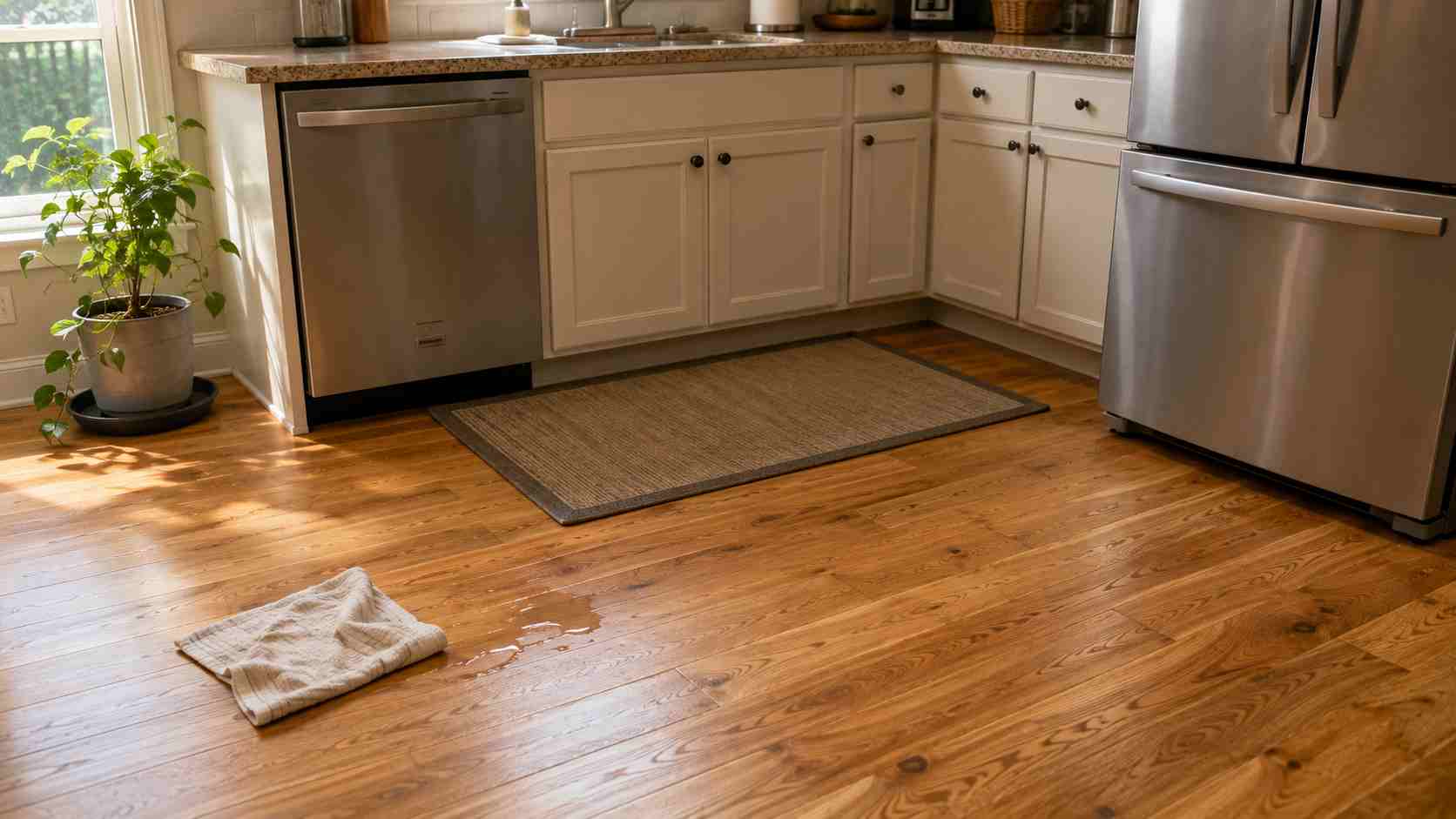
Recognizing Water Spill on Hardwood Floor Damage Early
If it is a fresh water spill on hardwood floors, blot it up with a dry towel; do not let it air dry. Seams are vulnerable to standing water in just 24-48 hours, particularly with worn finishes. Look for graying or blackened boards (early rot), cupping (edges up to centers), and a musty odor that means there is hidden moisture.
Repairing Water-Damaged Wood Floors
When it comes time to repair water-damaged wood floors, the fix will vary based on how serious the damage is:
- Light surface staining: Can usually be corrected with light sanding and a new finish.
- Cupped boards: These will often correct themselves after the source is corrected, and after the floor has completely dried (1-3 weeks). If the boards do not correct themselves, sanding and refinishing will be necessary.
- Warped or rotted planks: A hardwood floor water damage restoration professional should replace severely damaged boards and address any subfloor moisture issues to prevent future damage.
How to Protect Wood Floors in Bathroom Spaces
Bathrooms are the riskiest room for hardwood because they have standing water, steam, and splashing every day. Finish with moisture-resistant material (polyurethane or catalyzed lacquer); place an absorbent bath mat directly outside the tub or shower; use an exhaust fan during and after bathing; seal board seams with a moisture-resistant caulk where the floor meets tubs or vanities.
How to Protect Hardwood Floors in Kitchen Zones
The three most common kitchen leak sources are the dishwasher, sink, and refrigerator ice line. A five-minute practice that saves thousands of dollars in restoring damage: Use a washable mat in front of the sink and stove, clean up messes in seconds, not minutes, and twice a year inspect appliance hoses for cracking and corrosion.
Preventing Damage Before It Starts
Keep indoor humidity at 35-55%, and place trays under plants in the house and under washing machines. Reapply finish in high moisture areas every 3–5 years.
How to Protect Hardwood Floors From Scratches, Furniture, and Rolling Chairs
Furniture-Related Damage
Protect hardwood floors from furniture damage by placing felt or rubber pads under furniture legs. Use felt or rubber pads for frequently moved items like chairs and ottomans, and use rubber pads under heavier furniture such as sofas and cabinets. Replace the pads every 6–12 months because compressed or grit-filled felt can scratch the floor like sandpaper.
How to Protect Hardwood Floors From Rolling Chairs
One of the quickest ways to dull a finish is with standard hard-plastic office chair casters. Replace them with soft polyurethane “rollerblade” wheels, or use a clear chair pad under any chair used on a regular basis; this will eliminate most of the swivel-related scuffing.
How to Protect Hardwood Floors From Dogs
To prevent dog scratches on hardwood floors, keep your dog’s nails trimmed every 4 to 6 weeks and maintain a blunt shape so the tips do not point downward and dig into the finish. Install runners along the paths your dog uses most often (“dog racetracks”), wipe your dog’s paws after outdoor activity, and consider nail caps for very active or heavy breeds.
Daily Habits That Prevent Scratches
- Sweep or vacuum (soft brush head with beater bar removed) 2-3 times per week.
- Introduce a ‘no shoes’ policy at the front door.
- Place area rugs in hallways and living areas and use a non-slip pad under them.
- Lift, don’t drag, furniture; even “light” items get grit into the finish.
How to Protect Hardwood Floors During Renovation, Construction, and Moves
How to Protect Hardwood Floors During Construction
Cover the floor with heavy rosin paper taped at seams, then cover with plywood or ram board over paths for use of tools or materials. Don’t use just plastic sheeting; moisture will be trapped underneath and will discolor.
How to Protect Hardwood Floors During Renovation
Use 1/4-inch plywood to reinforce rosin paper when scaffolding or heavy fixtures are used frequently for multi-week projects. Use painter’s tape to seal transitions between doorways to prevent dust from moving around and keep the humidity stable even when windows are open for air circulation.
How to Protect Hardwood Floors During a Move
Clear the route and then place moving blankets or Ram Board down the route. Keep furniture sliders under all legs; push, don’t pull, for improved control. A dolly will lift all the weight off the floor for appliances and big furniture.
How to Protect Hardwood Floors After Refinishing
The finish is still curing under the surface, so there is a period of 24-72 hours after refinishing until light foot traffic can be placed on the floor, and up to 30 days after refinishing until rugs, furniture, or heavy use are placed on the floor. Before moving furniture back, use felt pads and do not mop for a minimum of 14 days
Cleaning, Waxing, and Caring for Old Hardwood Floors
Best Way to Clean Old Hardwood Floors
The best way to clean old hardwood floors is with a microfiber mop using a pH-neutral, wood-specific cleaner that is just slightly damp, not vinegar, ammonia, or steam mops, which remove finish and cause moisture to enter seams. First, dust or vacuum to prevent the surface from being scratched by grit.
Can You Wax Hardwood Floors?
Waxing of hardwood floors depends entirely on the finish. Unfinished or shellac/oiled floors are treated with wax; never wax a polyurethane floor, as wax will not adhere to a polyurethane finish and will leave a cloudy or sticky finish. Test in the hidden corner first.
How to Clean and Wax Hardwood Floors Correctly
Hardwood floors are cleaned and waxed by removing old wax with a wax remover solution, allowing the floor to dry thoroughly, then applying a light paste wax coat, buffing after it hazes (20–30 minutes). Two thin coats are better than one thick coat.
Old Hardwood Floor Care Long-Term
Old hardwood floor care includes light cleaning weekly, deep cleaning monthly, and professional recoating every 3–5 years before the finish reaches the bare wood. Following proper hardwood floor care guidelines helps preserve the finish, prevent damage, and avoid the higher cost of full sanding and refinishing
FAQ
Do felt pads really prevent scratches?
Yes. Felt pads prevent furniture legs from marring the finish by absorbing the grit that would otherwise be ground into the wood. Replace them every 6–12 months for continued protection.
How often should hardwood floors be recoated?
Typically, floors must be recoated every 3- 5 years, depending on the amount of traffic. Recoating is a new coat of protection, without sanding.
Is it safe to use a steam mop on hardwood?
No, steam mops drive moisture into seams and under the finish, and speed up warping and mold. Instead, use a microfiber mop that is just damp.
What humidity level is best for hardwood floors?
Maintain 35-55% humidity in the house. If the levels are outside this range, then they will expand or contract, creating gaps, cupping, or cracking.
Can water-damaged hardwood be saved?
Often, yes. Lightly stained boards can be sanded and refinished, and cupped boards can straighten out as they dry. When planks are very warped or rotten, they typically require replacement.
Are rugs enough to protect floors from dogs?
High-traffic “racetracks” take up impact, but nail trimming is still crucial; these two are essential to help reduce friction and impact.
What’s the difference between a floor finish and floor wax?
A finish (polyurethane, lacquer) is a hard seal bonded to the wood, and wax is a soft layer (not suitable for unfinished, oiled, or shellacked floors).
How soon can furniture go back on refinished floors?
Light traffic furniture and rugs should be used after 24-72 hours; furniture and rugs after 30 days; polyurethane continues to cure after it feels dry.
Conclusion
Three habits will help keep those hardwood floors safe: Keep moisture out before it gets in, use the proper pad or barrier at all furniture, chair, paw, and tool contact points, and clean with methods appropriate for your floor finish. From home renovations to introducing a new dog into the home to learning how to protect hardwood floors for the first time in your life, little day-to-day decisions will beat the big, costly repairs. Do one room at a time now, and expand outward before your next spill or move puts it to the test.